

Hey there, if you’re looking for a reliable backup power solution to keep your home or business running when the grid goes down, you’ve probably stumbled on this question: Do outdoor weatherproof generators come with wheels for easy movement? As a supplier of these exact units, I get asked this all the time—and honestly, it’s one of those questions that has a straightforward answer but also a few layers most folks don’t think about right away. Let me break this down like I would for a customer on a call, no stuffy jargon or weird formal vibes, just real talk about what you need to know.
First off, let’s start with the basics: outdoor weatherproof generators are built to stand up to the elements, right? Rain, snow, wind, even dusty construction sites—they’re not meant to sit inside a garage or basement like a regular portable generator. So movement matters a lot. If you’re using one for a tailgate, a temporary job site, or even just shifting it around your property to keep sump pumps running in different areas during a storm, you don’t want to be heaving a 200+ pound unit across mud or concrete. That’s where wheels come in, but here’s the thing—they’re not one-size-fits-all.
When I first started in this business (about 8 years ago, if you’re curious), we used to get a lot of feedback from customers saying they bought cheap outdoor generators that looked weatherproof on the box but had wobbly, tiny plastic wheels that broke the first time they moved it over a curb. That’s why we built our line, including the models you can check out at Outdoor Weatherproof Generator — we didn’t just slap wheels on and call it good. The wheels on our units are heavy-duty rubber, rated to handle the full weight of the generator when it’s fueled up and ready to go, and they pivot smoothly so you don’t have to wrestle with it to turn corners.
Wait, but not every outdoor weatherproof generator has wheels, and that’s intentional. Let me explain why. There are two main types of these generators: portable outdoor weatherproof units (the ones you can move around) and standby outdoor weatherproof generators (the permanently installed ones). Standby models are hooked up to your electrical panel, plumbed for natural gas or propane, and bolted to a concrete pad—they’re built to stay in one place 24/7, so adding wheels would be unnecessary and even a safety risk (you don’t want it shifting during a storm). So if you see an “outdoor weatherproof generator” that’s a standby model, it won’t have wheels, and that’s not a flaw—it’s by design.
Portable outdoor models, though? Almost all of them have wheels, but the quality varies a ton. I tell customers to look for three things when checking wheels: weight rating (make sure it’s at least the full weight of the generator—add 20-30 pounds if you plan to fill the gas tank before moving it), wheel size (small wheels get stuck in grass or gravel; 8-inch or bigger is ideal), and pivot design (solid metal pivots vs. plastic ones—plastic breaks fast in cold weather). Our portable units check all those boxes, and we even add a folding handle that connects right to the frame so you can push or pull it without straining your back. Last month, a customer from Minnesota told me he moved his 18kW portable unit over snow and ice during a blizzard, and the wheels didn’t slip at all— that’s the kind of feedback we love.
Now, let’s talk about why weatherproofing and wheels work together. You might be thinking, “Wait, if it has a wheel, does that mean there are gaps in the weather sealing?” Great question—we thought that too. So the frame that holds the wheels is integrated into the generator’s weatherproof enclosure, not just attached as an afterthought. The rubber wheel mounts have a gasket that seals the bottom of the unit, so water or snow can’t get in through the wheel opening. We tested this last year by hosing our portable models down with a high-pressure spray (way more than a normal rainstorm) and running them for 4 hours—no water got inside. That’s the difference between a cheap wheeled generator and a properly engineered outdoor weatherproof one.
I also get a lot of customers asking if they can add wheels to a weatherproof generator that doesn’t have them. The short answer is: usually not, and here’s why. The weatherproof enclosure is precision-built to keep out moisture, dust, and extreme temps—drilling holes to attach a wheel mount would break that seal, and void the warranty. The frame of permanently installed standby generators is bolted to a pad, so it’s not designed to support movement. Trying to add wheels would also throw off the unit’s balance, which is a safety hazard for things like fuel lines and electrical connections. So if you need a mobile unit, just go with a portable model that already has wheels—don’t mess with modifying something that’s made to stay put.
Another point: where you’re using the generator affects whether wheels are a must. If you’re keeping it in one spot for whole seasons (like a backup for your home during hurricane season), maybe you don’t need wheels—you can just leave it on a pad and connect it to your transfer switch. But if you’re using it for events, construction sites, or even just moving it between your house and a neighbor’s during a long outage, wheels are non-negotiable. Last summer, we sold a bunch of our portable models to a local farm supply store—they use them to power their outdoor freezers at pop-up farmers markets, and being able to wheel it from their truck to the market spot in 2 minutes (no ramps, no heavy lifting) saved them so much time. That’s the real value here—wheels aren’t just a convenience, they make the generator actually useful for people who need to move it.
I should also mention a common mistake people make: buying a regular portable generator and then covering it with an outdoor weatherproof cover. Spoiler: that doesn’t make it an outdoor weatherproof generator, and it definitely doesn’t add proper wheels. Those cheap wheel covers are flimsy, the regular generator’s wheels aren’t built for rough terrain, and the cover can come loose in wind, letting water in. The units we sell are engineered specifically for outdoor use, with weather sealing that meets industry standards, and wheels that are matched to the unit’s weight—so you don’t have to patch things together.
Wait, what about size? If you have a small generator (under 5kW) for camping or tailgating, the wheels are usually small plastic ones, but they work for that use case. For larger units (10kW and up) for whole-home backup, the wheels are bigger, heavy-duty, and sometimes have a locking mechanism so they don’t roll when the generator is running. That’s important—you don’t want it moving while it’s idling, which could knock over fuel lines or cause a safety issue. Our wheels have a small lever that locks them in place when you’re done moving, so that’s covered.
Let’s talk about a recent example to make this real. A customer reached out to me back in March, panicking because a big snowstorm was forecast and his existing generator (a cheap outdoor one he bought online) had wheels that broke when he tried to move it from the garage to the shed where he wanted to use it. He’d had to hire a guy to lift it, which cost him $150, and the generator was sitting in the garage not doing him any good. We sent him one of our portable outdoor weatherproof units, and he texted me a photo of his 16-year-old son rolling it across his snow-covered driveway without even straining. That’s exactly why we put wheels on our units—they make these powerful generators accessible, not just something for professionals with big equipment.
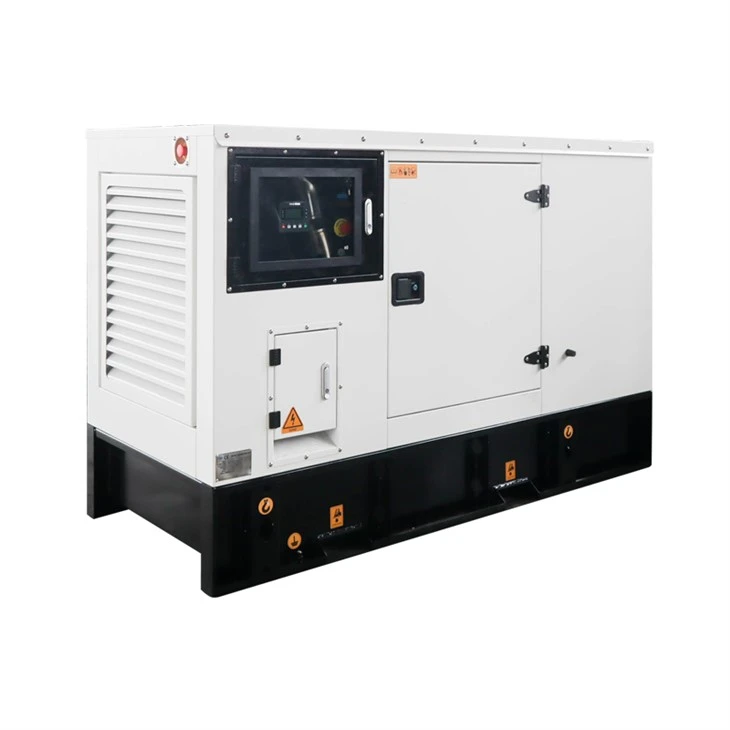
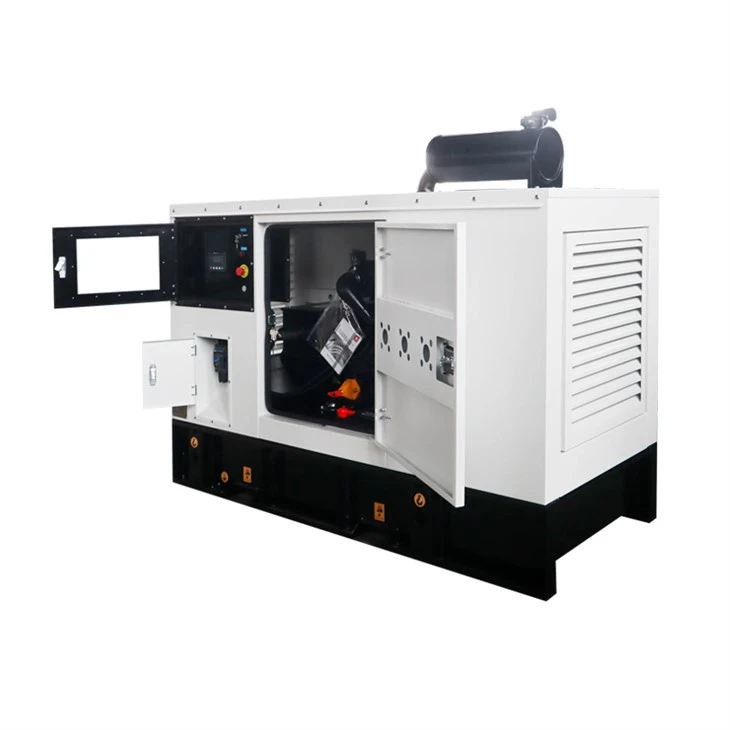
Now, I know some people might say, “Why not just get a standby unit and call it a day?” Standby units are great if you want a permanent solution, but they’re more expensive, and you can’t move them. If you’re someone who might need power in multiple spots, or if you rent your home and don’t want to do a permanent install, a portable wheeled outdoor weatherproof generator is the way to go. And if you’re torn between portable and standby, our team can help you figure out which is right for your needs—no pressure, just real advice.
So to circle back to the original question: Do outdoor weatherproof generators come with wheels for easy movement? The answer is: Portable outdoor weatherproof generators almost always come with wheels (and the good ones have heavy-duty, properly sealed wheels built for movement), while permanent standby models do not. It all comes down to design purpose—if it’s meant to move, it has wheels; if it’s meant to stay, it doesn’t. The key is to buy a unit that’s built for your specific use case, not just one that looks like it’ll hold up outdoors.
Whether you’re prepping for storm season, need power for a job site, or just want a reliable backup that’s easy to use, having the right equipment makes all the difference. If you want to check out the portable models with quality wheels and proper weather sealing, head over to Outdoor Weatherproof Generator to see our full line. We’re always here to answer questions, help you pick the right size, or walk you through how to use the wheels safely. If you’re ready to talk procurement, just reach out to our team—we work with homeowners, small businesses, and contractors, so we can accommodate whatever your needs are. No pushy sales stuff, just honest, helpful advice from people who’ve been in this game for years.
References:
- Generator Industry Association. (2022). "Weatherproof Generator Design and Safety Standards". GIA Technical Bulletin Series.
- Outdoor Power Equipment Institute. (2023). "Portable Generator Mobility and Durability Guidelines". OPEI Research Report.
- National Fire Protection Association. (2021). "Standby and Portable Generator Installation and Use Safety Code". NFPA 37.


