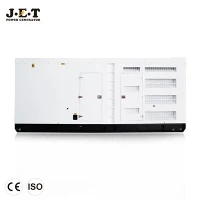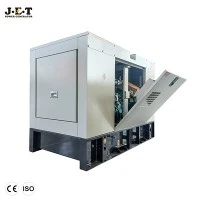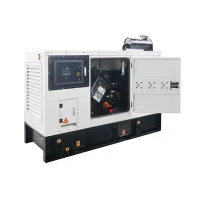

An open-frame generator set is a common type of diesel power generation equipment. It typically consists of a diesel engine, alternator, base frame, fuel system, cooling system, exhaust system, and control system. Unlike enclosed or sound-attenuated generator sets, an open-frame design leaves the main components exposed on a common base, providing direct access for inspection and maintenance while allowing heat to dissipate more freely.
The basic operating principle is based on a two-stage energy conversion process. Chemical energy stored in diesel fuel is first converted into mechanical energy by the engine, and the alternator then converts that mechanical energy into electrical power. When the generator starts, diesel fuel is introduced into the engine's combustion system. The fuel ignites in the high-temperature air created by compression, producing expanding gases that drive the pistons. The pistons move the connecting rods and crankshaft, converting reciprocating motion into rotational motion.
The engine transfers this rotational power to the alternator through a coupling. As the alternator rotor spins within its magnetic field, electromagnetic induction generates electrical energy in the stator windings. The generated power is then regulated through the generator's control and electrical systems so that the output voltage and frequency remain within the required operating range. The electricity can then be supplied to lighting systems, machinery, and other connected loads.
Several supporting systems work together to maintain reliable operation. The fuel system provides a controlled supply of diesel to the engine, while the cooling system manages engine temperature during operation. The lubrication system supplies oil to moving components to reduce friction and wear. The exhaust system safely directs combustion gases away from the engine, while the control system monitors key operating parameters such as engine speed, output voltage, and frequency.
Because the main components of an open-frame generator are not enclosed within a full acoustic canopy, heat can dissipate directly into the surrounding environment. This makes proper ventilation particularly important. When the generator is installed indoors, suitable ventilation and exhaust arrangements should be provided based on the installation environment. The open structure also provides convenient access to major components, making routine inspection, servicing, and repairs easier.
Overall, an open-frame generator set converts the chemical energy of diesel fuel into mechanical energy and then into electrical power through coordinated operation between the engine and alternator. Its accessible structure, effective heat dissipation, and ease of maintenance make it suitable for generator rooms, industrial facilities, construction sites, and other applications where noise control is not the primary requirement.