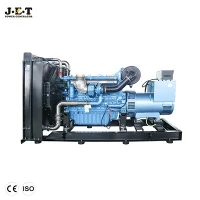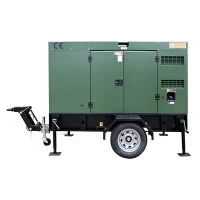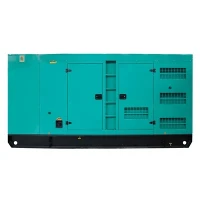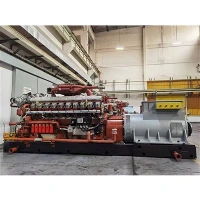

Diesel generators are widely used as standby and independent power sources in industrial facilities, construction projects, commercial buildings, and emergency power applications. Proper operation helps maintain reliable performance, reduce unnecessary wear, and minimize the risk of equipment problems. Operators should always follow the manufacturer's instructions and safety requirements for the specific generator model.
Before starting the generator, a thorough inspection should be carried out. The unit should be securely installed, and the area around it should be free of materials that could interfere with ventilation or cooling. Fuel, engine oil, and coolant levels should be checked, while the battery, electrical cables, terminals, and other connections should be inspected for proper condition. Any signs of leakage, loose wiring, or other abnormalities should be addressed before the generator is started.
Once the equipment has been confirmed to be in proper condition, the engine can be started according to the manufacturer's operating procedure. After startup, the generator should generally be allowed to run without a significant electrical load for a short period. This gives the engine and lubrication system time to reach stable operating conditions. Once the engine is running smoothly, electrical loads can be connected gradually according to the power requirements.
During operation, important generator parameters should be monitored. Operators should pay attention to output voltage, frequency, engine temperature, oil pressure, vibration, and unusual sounds. Any abnormal voltage, excessive temperature, unusual noise, or significant vibration should be investigated promptly, and the generator should be shut down if necessary to prevent further problems.
Electrical loads should be managed according to the generator's rated capacity. Prolonged overload conditions should be avoided. Equipment such as motors and water pumps can require significantly higher current during startup, so their starting characteristics should be considered when connecting loads. Proper load management helps maintain stable generator operation and prevents unnecessary stress on the engine and alternator.
When the generator needs to be shut down, connected loads should be reduced and disconnected in a controlled manner. The engine can then be allowed to run briefly under appropriate conditions before shutdown, depending on the manufacturer's recommendations. After the generator has stopped, the equipment should be inspected and any necessary maintenance information should be recorded.
Overall, proper diesel generator operation involves careful pre-start inspection, controlled startup, appropriate load management, continuous condition monitoring, and correct shutdown procedures. Following the equipment manufacturer's requirements can improve operational reliability, reduce wear, and help extend the service life of the generator.