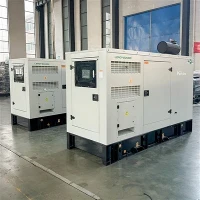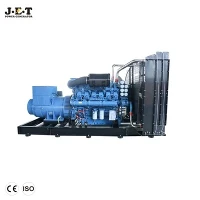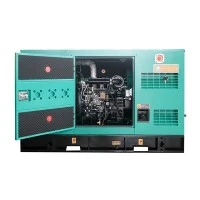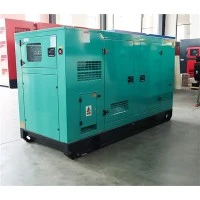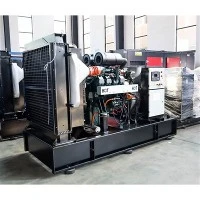

A diesel generator is an important source of standby and independent power, and the quality of its installation has a direct impact on long-term reliability and safety. Whether the generator is installed in a factory, construction site, commercial building, or other facility, the installation process should be planned according to the generator's specifications and the conditions of the site. Proper attention should be given to the foundation, ventilation, exhaust, fuel supply, and electrical connections.
Before installation begins, the generator model, rated capacity, and installation environment should be confirmed. The equipment should also be inspected to ensure that its major components are in good condition. The installation area needs adequate ventilation and sufficient space for inspection and maintenance. For indoor installations, the airflow and exhaust arrangements should be planned carefully to prevent excessive heat buildup and the accumulation of engine exhaust gases.
A suitable foundation is essential for stable generator operation. The foundation should be designed to support the weight and structural requirements of the generator set, and the equipment should be positioned securely and level on the foundation. Where necessary, vibration isolation measures can be incorporated to reduce the transmission of engine vibration to the surrounding structure.
Once the generator has been positioned, the fuel, exhaust, cooling, and related systems can be connected according to the installation design. Fuel lines must be properly secured and checked for leaks. The exhaust system should be routed safely so that combustion gases can be discharged effectively while minimizing exposure to hot exhaust components.
Electrical installation is another critical part of the process. The generator output, power cables, grounding system, and associated distribution equipment should be connected in accordance with the approved electrical design. After the connections are completed, all terminals should be checked for proper installation, the grounding system should be verified, and the relevant protection devices should be confirmed to be operational.
The generator should be thoroughly inspected and test-run before being placed into regular service. Engine oil, fuel, and coolant levels should be checked, and all connections should be inspected for signs of leakage or looseness. After startup, operators should monitor engine noise, vibration, temperature, output voltage, and frequency. Once the generator is operating normally, electrical loads can be applied gradually.
Overall, diesel generator installation requires careful coordination between equipment specifications, site conditions, and electrical requirements. Proper installation, system connections, inspection, and commissioning provide a solid foundation for safe, stable, and reliable generator operation.