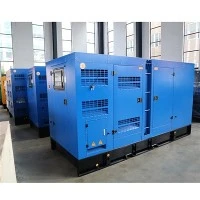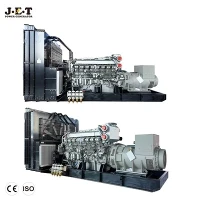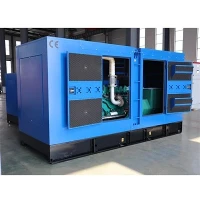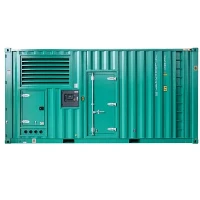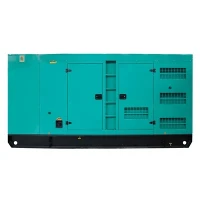

A diesel generator is an integrated power system that combines engine technology, electrical generation, control systems, and supporting technologies. As industries, infrastructure projects, and emergency power applications place greater emphasis on reliable electricity, advances in diesel generator technology continue to improve overall efficiency, operating stability, and system performance. Developments in engine design, power generation, control, cooling, and noise reduction are all contributing to the evolution of modern generator sets.
Diesel engine technology forms the foundation of a generator system. The engine converts the energy stored in diesel fuel into mechanical power, which is then used to drive the alternator. Modern diesel engines increasingly focus on fuel efficiency, stable power output, and emissions control. Improvements in combustion technology and fuel injection systems can help optimize fuel use while maintaining the power required for different applications.
The electrical generation system is another essential part of the technology. The alternator converts mechanical energy from the engine into electrical energy through electromagnetic induction. The generator's electrical control system regulates important output parameters such as voltage and frequency. Stable electrical output is important for maintaining power quality and protecting connected equipment from undesirable operating conditions.
Advances in control technology have also made modern diesel generators more automated. Generator control systems can monitor parameters such as engine speed, oil pressure, coolant temperature, output voltage, and frequency in real time. When abnormal conditions are detected, the system can issue alarms or activate protective functions. Depending on the configuration, some systems can also initiate an automatic shutdown to help prevent equipment damage.
Cooling technology plays an important role in long-term generator performance. Diesel engines generate substantial heat during operation, making effective temperature management essential. Well-designed cooling systems help maintain the engine within its intended operating range and reduce the risk of overheating during extended periods of use.
Noise reduction is another area receiving increasing attention. Improvements to engine design, exhaust systems, vibration control, and generator enclosures can significantly reduce operating noise. This makes modern diesel generators more suitable for commercial buildings, urban environments, and other locations where noise levels need to be controlled.
Overall, diesel generator technology is moving toward greater efficiency, smarter control, lower noise levels, and improved reliability. As engine, electrical, and control technologies continue to advance, diesel generator systems will remain an important solution for standby power, emergency electricity, and independent power applications.