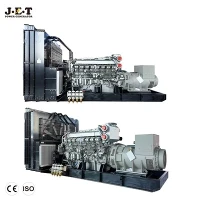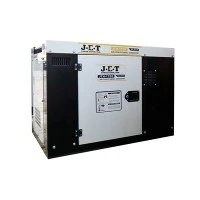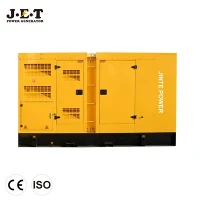

Diesel generators are widely used in industrial facilities, construction projects, commercial buildings, and emergency power systems. Proper operation can help maintain stable performance, reduce the risk of equipment problems, and extend the service life of the generator set. Understanding good operating practices is therefore important for maintaining reliable power and getting the best performance from the equipment.
Before starting a diesel generator, operators should carry out a basic inspection. Engine oil, coolant, and diesel fuel should be checked to make sure they are at appropriate levels and in suitable condition. Battery terminals, electrical cables, and other connections should also be inspected for looseness or visible damage. Any fuel, oil, or coolant leaks should be addressed before the generator is started.
Once the engine starts, it is generally better to allow it to warm up before applying a significant electrical load. This gives the lubricating oil time to circulate and allows the engine to reach a stable operating condition. Electrical loads can then be connected gradually according to the generator's capacity, reducing the mechanical and electrical stress associated with sudden loading.
Proper load management is essential during operation. The total connected load should remain within the generator's rated capacity, and large fluctuations should be avoided whenever possible. Certain equipment, particularly motors and pumps, can draw substantially more current during startup than during normal operation. These starting characteristics should therefore be considered when determining the appropriate generator capacity.
Operators should also pay attention to the generator's operating condition while it is running. Output voltage and frequency, engine temperature, oil pressure, vibration, and unusual sounds can provide useful indications of the equipment's condition. If excessive vibration, unusual noise, overheating, or unstable electrical output is observed, the load should be reduced and the cause should be investigated promptly.
Regular maintenance is equally important for maintaining generator performance. Engine oil, oil filters, fuel filters, and air filters should be replaced according to the manufacturer's recommended service intervals. The cooling system and battery should also be inspected regularly. Generators that remain unused for extended periods should still be inspected and test-run periodically to ensure that they are ready for operation when needed.
In general, careful pre-start inspections, appropriate load management, gradual loading, regular condition monitoring, and scheduled maintenance are key practices for using a diesel generator effectively. By following proper operating procedures and maintaining the equipment consistently, users can improve generator reliability and ensure a stable power supply across a variety of applications.