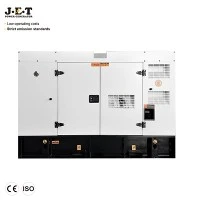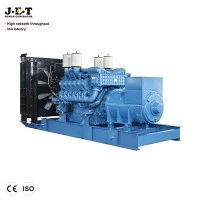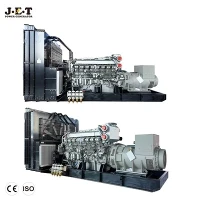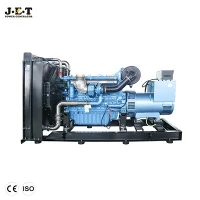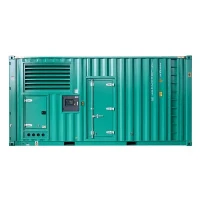

As reliable electricity becomes increasingly important across modern industries, diesel generators continue to serve as a practical power solution for a wide range of applications. Their ability to operate independently of the utility grid, combined with reliable performance and flexibility in different working environments, makes them suitable for standby power, emergency power, and temporary electricity supply.
In industrial facilities, diesel generators are commonly used to maintain power during utility interruptions. Manufacturing plants rely on electricity for production lines, machinery, lighting, control systems, and other essential equipment. When a grid failure occurs, a properly configured generator can provide power to critical loads, helping reduce production downtime and limiting the impact of unexpected outages on daily operations.
Construction sites represent another major application. Projects often require electricity for cranes, welding equipment, water pumps, lighting, power tools, and temporary facilities. In the early stages of construction, a permanent utility connection may not yet be available. Diesel generators can provide an independent source of electricity and can be deployed according to the changing requirements of the project.
Commercial and public facilities also use diesel generators as backup power systems. Office buildings, hotels, shopping centers, telecommunications facilities, and other public buildings may depend on generators to support essential lighting, communication equipment, fire protection systems, and other critical loads during a power outage. A reliable backup power source can help these facilities maintain essential functions when the normal electricity supply is interrupted.
Diesel generators are also widely used in agriculture, mining, outdoor engineering, and remote locations. Where grid access is limited or mobile power is required, generator sets can operate independently and supply electricity to water pumps, machinery, tools, and other equipment. Their flexibility makes them particularly useful for temporary projects and locations with changing power requirements.
Overall, diesel generators have a broad range of uses across industrial, construction, commercial, agricultural, and emergency applications. The appropriate generator configuration should be selected according to factors such as electrical load, operating duration, installation environment, and mobility requirements. As demand for reliable and resilient power continues to grow, diesel generators will remain an important option for backup and independent power generation.