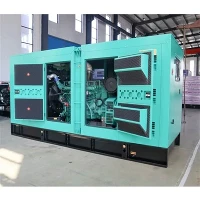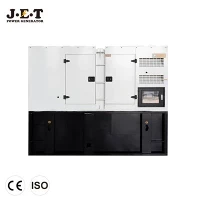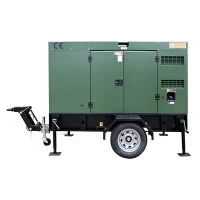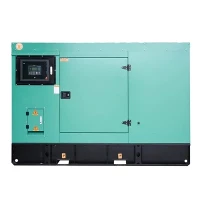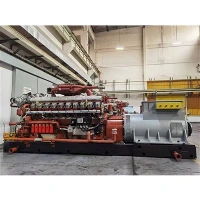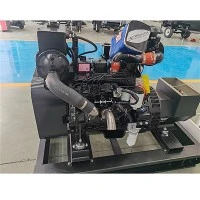

A diesel generator is an integrated power generation system that combines a diesel engine with an alternator. The engine provides mechanical power, while the alternator converts that mechanical energy into electricity. Widely used for standby and independent power generation, diesel generators feature a mature mechanical design, well-organized system configuration, and reliable operating performance. Their major components work together to ensure consistent power generation under a wide range of operating conditions.
The core structure of a diesel generator generally includes the diesel engine, alternator, fuel system, cooling system, lubrication system, exhaust system, and control system. The diesel engine serves as the prime mover of the generator set. Fuel is compressed and combusted inside the engine, producing mechanical power that is transferred through the crankshaft to drive the alternator.
The alternator is the main electrical component of the generator set. It typically consists of a rotor and stator. As the engine rotates the rotor, electromagnetic interaction generates electrical energy in the stator windings. The generator's electrical control equipment can regulate key output parameters, including voltage and frequency, so that the generated electricity is suitable for connected loads.
The fuel system is responsible for storing, delivering, and injecting diesel fuel into the engine. A reliable fuel supply is essential for maintaining stable engine operation. The cooling system regulates engine temperature and helps prevent overheating during extended periods of operation. Meanwhile, the lubrication system supplies oil to moving components, reducing friction and wear and helping extend the service life of the engine.
The exhaust system collects and discharges combustion gases generated by the engine. Depending on the design, it can also incorporate measures to reduce exhaust noise and improve the overall operating environment. The control system is responsible for monitoring and managing generator operation. It can track important parameters such as output voltage, frequency, engine speed, and temperature, while providing alarms or protective functions when abnormal conditions are detected.
Overall, diesel generators use a highly coordinated structural design in which each system has a clearly defined role. This configuration facilitates installation, inspection, and maintenance while supporting reliable generator performance. With continued advances in power generation and control technologies, modern diesel generators are increasingly incorporating smarter control functions, improved efficiency, and more sophisticated system integration.