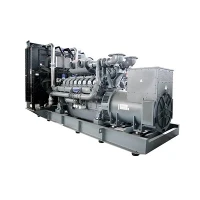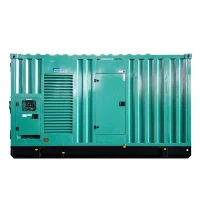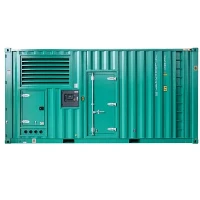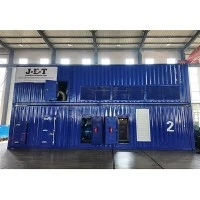

A diesel generator is a widely used power generation system that combines a diesel engine with an alternator to convert mechanical energy into electrical power. Because it can operate independently of the utility grid and provide a reliable source of electricity, diesel generators are commonly used in industrial facilities, construction projects, commercial buildings, telecommunications infrastructure, and emergency power systems. Understanding their key functions can help users select and operate generator equipment more effectively.
The primary function of a diesel generator is to supply electrical power. When utility power is interrupted, unstable, or unavailable, the generator can operate as an independent power source for lighting, machinery, communication equipment, and other electrical loads. In facilities where continuous power is critical, a diesel generator can also serve as a standby system that supplies electricity when the main power source fails.
Diesel generators are designed to accommodate a wide range of electrical loads. The appropriate generator capacity depends on the type and total demand of the connected equipment. Selecting a generator with sufficient capacity helps prevent prolonged overload conditions while allowing the system to operate efficiently under normal working conditions.
Modern diesel generator sets also provide advanced monitoring and control functions. Depending on the configuration, the control panel can monitor parameters such as output voltage, frequency, engine speed, coolant temperature, and overall operating status. If an abnormal condition is detected, alarm and protection functions can alert operators and, in some cases, automatically shut down the equipment to help prevent further damage.
Some generator systems can also support automatic starting and shutdown. When combined with an automatic transfer switch and an appropriate control system, the generator can start when the utility supply fails and transfer the designated electrical loads to the backup power source. Once the normal power supply is restored, the system can return the load to the utility and shut down the generator according to its programmed settings.
Overall, diesel generators provide more than basic electricity generation. They can support standby power, independent operation, load management, system monitoring, and automated power transfer. As businesses and infrastructure continue to place greater emphasis on power reliability, diesel generator systems will remain an important solution for emergency, backup, and temporary power applications.