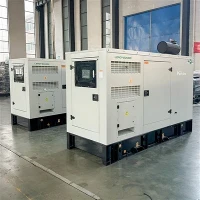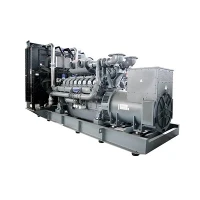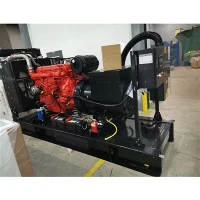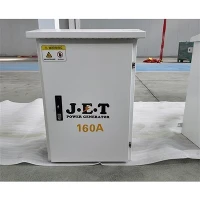

A diesel generator is a power generation system that uses a diesel engine as its prime mover and an alternator to convert mechanical energy into electrical energy. Known for reliable performance and strong adaptability to different operating environments, diesel generators are widely used in industrial facilities, construction sites, commercial buildings, telecommunications infrastructure, agricultural operations, and emergency power applications. When grid power is unstable or unavailable, a diesel generator can provide a dependable source of electricity for critical equipment.
One of the most important characteristics of a diesel generator is its operational reliability. Powered by a diesel engine, a properly maintained generator can operate continuously for extended periods, making it suitable for applications where a stable power supply is essential. For factories, data centers, hospitals, and other critical facilities, a reliable backup power system can help minimize the operational impact of unexpected power outages.
Diesel generators are also highly adaptable to different environments. Unlike power systems that depend entirely on the utility grid, diesel generators can operate independently as long as an adequate supply of fuel and suitable operating conditions are available. This makes them particularly useful in remote locations, construction projects, temporary work sites, and areas where access to a stable electrical grid may be limited.
Another notable feature is their mature and well-established mechanical design. Major components, including the diesel engine, alternator, fuel system, cooling system, and control system, work together to provide consistent power output. Modern diesel generators are also commonly equipped with advanced control systems that monitor parameters such as voltage, frequency, engine temperature, and overall operating conditions. These functions make equipment management more convenient and help operators identify potential issues at an early stage.
Fuel efficiency is another factor that contributes to the popularity of diesel generators. Actual fuel consumption depends on the generator's rated output, load level, operating conditions, and maintenance status. With appropriate load management and regular maintenance, the generator can operate efficiently and make better use of available fuel. When selecting a diesel generator, users should therefore consider their actual power requirements, expected operating hours, load characteristics, and installation environment.
Overall, reliability, environmental adaptability, operational flexibility, and ease of maintenance are among the key characteristics of diesel generators. As the demand for backup and emergency power continues to grow, diesel generator systems are expected to remain an important power solution for a wide range of industrial and commercial applications.