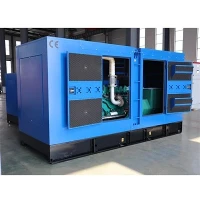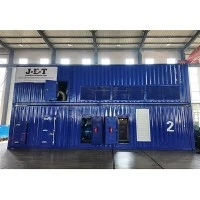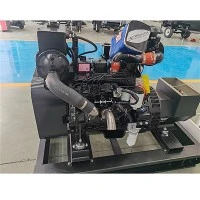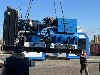

Diesel generators can be large and heavy pieces of equipment, and improper handling during transportation may result in external damage, loose components, or problems that affect installation and subsequent operation. Before a generator is shipped, an appropriate transportation plan should be developed based on its dimensions, weight, structural characteristics, and delivery distance. Proper preparation helps ensure that the equipment arrives safely and in good condition.
The generator should be thoroughly inspected before transportation. The engine, alternator, control system, and related accessories should be checked to confirm that they are in proper condition, while external connections should be inspected for signs of looseness. For long-distance transportation, additional protective measures may be required in accordance with the manufacturer's recommendations, particularly for components that may be vulnerable to impact, dust, or moisture.
Proper packaging and securing are essential during transit. Protective materials can be used around control panels, instruments, electrical connections, and other sensitive components. The generator should also be securely restrained to minimize movement and vibration during transportation. For larger generator sets, the vehicle's load capacity, dimensions, and loading requirements should be considered carefully before shipment.
Loading and unloading should be performed with lifting equipment rated for the weight of the generator and handled by trained personnel. Lifting points specified by the equipment design should be used, and the generator should remain stable throughout the lifting process. Dragging the equipment or applying force in an unsuitable manner should be avoided, as this could damage the frame, enclosure, or internal components.
The generator should also be protected from rain, moisture, dust, and impact during transportation. The securing method should be suitable for the transport conditions, and excessive vibration or sudden shocks should be minimized. During long-distance delivery, the securing devices and protective coverings should be checked periodically when conditions allow, particularly if there is any indication that the load may have shifted.
Once the generator reaches its destination, it should not be placed into operation immediately. The equipment should first be inspected for visible damage, loose connections, or abnormalities involving the control system and accessories. Fuel, engine oil, and coolant should also be checked according to the manufacturer's requirements. Necessary inspection and commissioning should be completed before the generator proceeds to final installation and operation.
Overall, safe diesel generator transportation depends on proper packaging, protection, loading, securing, handling, and post-delivery inspection. A well-planned transportation process can significantly reduce the risk of equipment damage and provide a reliable foundation for subsequent installation and operation.