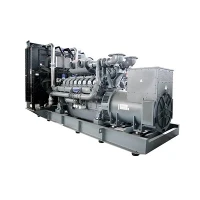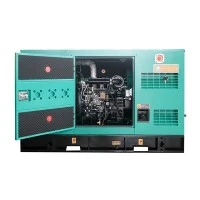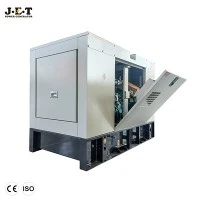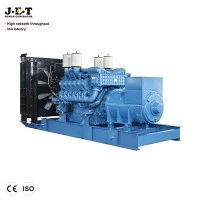

Large diesel generator sets are widely used in industrial facilities, data centers, commercial buildings, and major engineering projects where dependable power is essential. Because these systems operate at high output levels and contain multiple interconnected components, proper operating procedures are important for maintaining performance, safety, and equipment reliability. Operators should be familiar with the manufacturer's instructions and the generator's control system before putting the equipment into service.
A thorough inspection should be carried out before starting the generator. Fuel, engine oil, and coolant levels should be checked to ensure they are within the specified ranges. The battery, fuel lines, cooling system, exhaust system, and electrical connections should also be inspected. The area around the generator should be clear of obstructions that could interfere with ventilation, cooling, or safe operation. The output circuit should be placed in the appropriate condition before startup.
After the engine starts, the generator should not immediately be subjected to its full electrical load. Allowing the engine to run briefly without load gives the lubrication and cooling systems time to reach normal operating conditions. During this period, the operator should check engine speed, oil pressure, coolant temperature, vibration, and unusual sounds. If the operating parameters are normal, electrical loads can then be connected gradually.
During operation, output voltage and frequency should be monitored continuously or at regular intervals. Load changes should be managed carefully, particularly when equipment with high starting currents is connected. Motors, pumps, compressors, and similar equipment can create a significant temporary increase in electrical demand. Avoiding sudden and excessive load changes helps reduce stress on the generator and supports stable power delivery.
The condition of the fuel, lubrication, and cooling systems should also be monitored during extended operation. Operators should remain alert for signs of fuel or oil leakage, abnormal temperature increases, unusual pressure readings, or other changes in operating conditions. If an alarm is triggered, the cause should be identified and addressed according to the manufacturer's instructions rather than allowing the generator to continue operating under an unexplained fault condition.
When shutting down the generator, electrical loads should be reduced gradually rather than disconnected abruptly whenever operating conditions allow. Once the generator has returned to a stable low-load or no-load condition, the engine can be stopped according to the manufacturer's shutdown procedure. If the generator will remain out of service for an extended period, appropriate measures should be taken to protect the fuel system, battery, and other components from deterioration.
Overall, operating a large diesel generator set requires a disciplined approach that covers pre-start inspection, controlled startup, gradual loading, continuous monitoring, and proper shutdown. Following the recommended operating procedures can help reduce unnecessary wear, prevent avoidable faults, and support safe and reliable power generation over the equipment's service life.