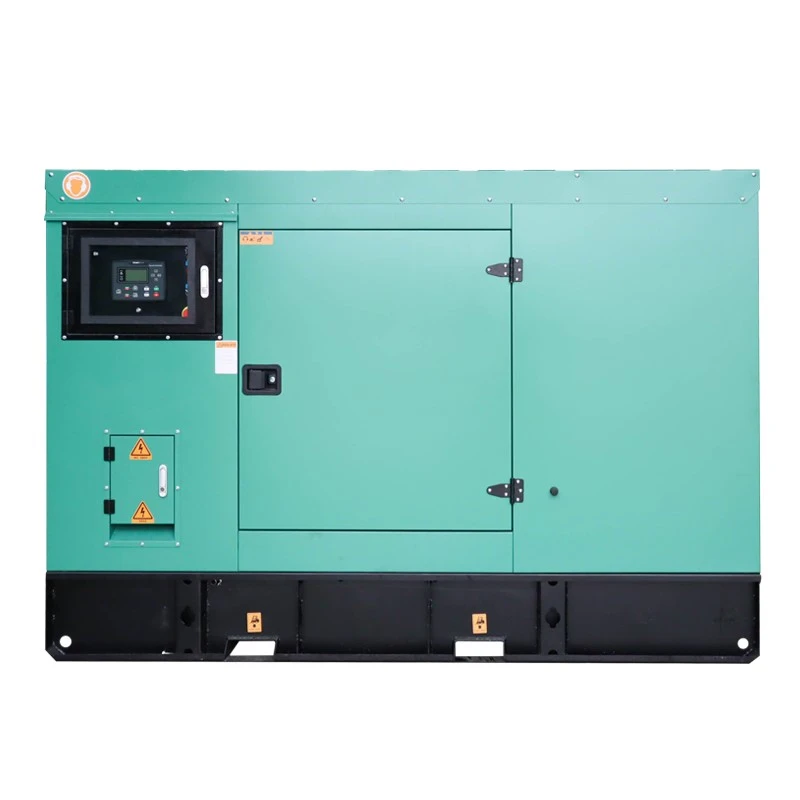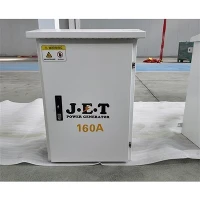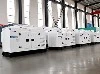

As energy systems continue to evolve and environmental requirements become increasingly important, gas generator sets are attracting greater attention for their fuel flexibility, efficient operation, and relatively low emissions. They are used in industrial facilities, commercial buildings, energy projects, and distributed power systems. Unlike conventional diesel generators, gas-powered units use combustible gases such as natural gas or biogas as their primary fuel, with the engine converting the fuel's energy into mechanical power to drive an alternator.
Fuel flexibility is one of the defining characteristics of gas generator sets. Depending on the engine design and application, the equipment may operate on natural gas, biogas, landfill gas, or other treated combustible gases. Because gas composition, calorific value, and supply pressure can vary significantly, the generator must be properly configured for the specific fuel source to maintain stable engine performance.
Operating efficiency is another important advantage. The gas engine burns the fuel to produce mechanical power, which is then converted into electricity by the alternator. When operated under appropriate load conditions, the system can provide stable power output with efficient fuel utilization. Some gas generator sets can also be integrated into combined heat and power systems, allowing waste heat from the engine to be recovered for heating or other useful applications. This can significantly improve overall energy utilization.
Emissions performance is another notable characteristic. Compared with some conventional fossil-fuel-based generation technologies, natural-gas-fired generators can produce lower levels of certain pollutants during operation. Actual emissions, however, depend on factors such as fuel quality, engine technology, operating conditions, and exhaust treatment systems.
Gas generator sets can also support continuous or extended operation, making them suitable for distributed energy systems, industrial backup power, commercial facilities, and other applications that require dependable electricity. Modern systems are commonly equipped with electronic control platforms that monitor parameters such as engine speed, gas pressure, output voltage, frequency, and temperature.
A reliable fuel supply is essential for gas generator operation. Stable gas availability, appropriate supply pressure, and properly designed gas safety equipment are important factors in maintaining reliable performance. Fuel systems must also be installed and operated in accordance with applicable safety requirements.
Overall, gas generator sets are characterized by fuel flexibility, efficient energy conversion, relatively low emissions, and suitability for extended operation. As distributed generation and cleaner energy solutions continue to develop, gas-powered generation technology is expected to remain an important option for reliable and efficient electricity production.