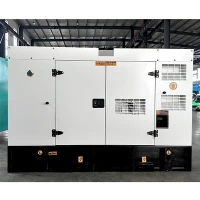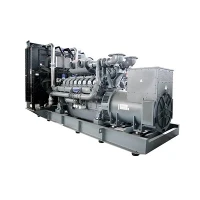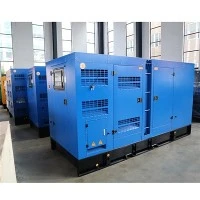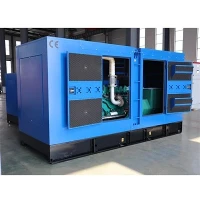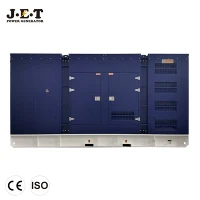

As an important source of standby and independent power, a diesel generator must be designed to deliver more than basic electricity generation. Modern generator systems are expected to provide reliable operation, safe performance, efficient fuel use, convenient maintenance, and adaptability to different working environments. As demand for dependable power continues to grow across industrial, construction, and emergency applications, diesel generator design is increasingly focused on reliability, efficiency, intelligent control, and environmental performance.
Reliability is one of the fundamental principles behind generator design. Diesel generators are often required to remain on standby for extended periods and then start quickly when power is needed. The engine, alternator, fuel system, cooling system, and control system must therefore be properly matched to work together as an integrated unit. Stable power output and effective protection functions are essential for maintaining dependable operation.
Safety is another key consideration. During operation, a diesel generator produces heat, exhaust gases, and mechanical movement, while its electrical system carries significant voltage and current. The overall design should therefore incorporate effective cooling, exhaust management, electrical protection, and safeguards for operators. Proper component arrangement and appropriate protection systems can help reduce operational risks and improve overall equipment safety.
Fuel efficiency is also an important objective in modern generator design. Improvements to combustion processes, fuel injection, and power transmission can help reduce unnecessary fuel consumption while maintaining the required power output. Selecting an appropriately sized generator for the expected electrical load is equally important, as operating conditions have a direct impact on fuel economy and overall operating costs.
Ease of maintenance is another important design consideration. Key components should be accessible for inspection, servicing, and replacement, allowing routine maintenance to be completed efficiently. Modern control systems can further simplify equipment management by providing real-time information about operating conditions and alerting operators when abnormal parameters are detected.
Environmental adaptability is also considered during the design process. Diesel generators may be installed in factories, construction sites, outdoor projects, and locations with different climate conditions. Ventilation, cooling, enclosure protection, vibration control, and noise reduction therefore need to be adapted to the intended operating environment.
Overall, modern diesel generator design goes beyond the basic goal of producing electricity. It represents a balanced approach that considers reliability, safety, efficiency, maintainability, and environmental adaptability. Through continued improvements in mechanical, electrical, and control technologies, diesel generators can provide dependable power across an increasingly diverse range of applications.