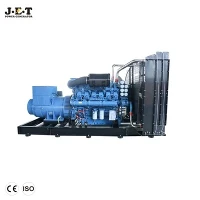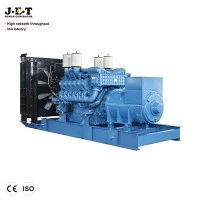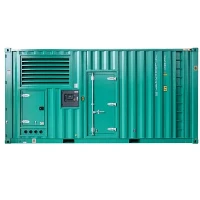

Diesel generators are commonly used as standby and independent power sources, and regular maintenance is essential for keeping them ready for operation. A consistent maintenance routine can help identify potential problems before they become serious, reduce the risk of unexpected failures, and support a longer service life for the engine and generator system. Establishing a practical maintenance program is therefore an important part of reliable generator management.
Routine inspection should begin with the overall condition of the generator set. Before starting the equipment, operators should check for signs of fuel, oil, or coolant leaks and inspect electrical cables, terminals, and other connections for looseness or visible damage. The area around the generator should also be kept clean and free of unnecessary materials that could interfere with ventilation, cooling, or maintenance work.
The lubrication system is a critical part of diesel engine maintenance. Engine oil should be checked regularly for both level and condition, and the oil and oil filter should be replaced according to the manufacturer's recommended service intervals. As engine oil ages, its protective properties can decline, which may increase friction and wear on internal components if replacement is delayed.
The cooling system also requires regular attention. Coolant levels should be checked, while the radiator, hoses, and related components should be inspected for leaks, blockages, or other problems. An effective cooling system helps maintain the engine within its intended operating temperature and reduces the risk of overheating during extended operation.
The fuel and air intake systems should also be maintained properly. Fuel that meets the engine manufacturer's specifications should be used, and the fuel filter should be inspected and replaced as required. An air filter that becomes heavily contaminated with dust can restrict airflow and affect engine performance, so cleaning or replacement should be carried out according to the operating environment and maintenance schedule.
The battery is another important component because its condition directly affects engine starting. Battery connections should be checked regularly, and terminals should be kept clean and secure. Generators that remain on standby for long periods should also be test-run at appropriate intervals to confirm that the engine starts properly and that key output parameters, such as voltage and frequency, remain within the expected range.
Maintenance activities should be documented consistently. Records can include inspection dates, equipment condition, service work, and replaced components. Maintaining these records makes it easier to track equipment performance and plan future maintenance.
Overall, effective diesel generator maintenance involves much more than a simple visual inspection. Proper lubrication, cooling system checks, fuel and air system maintenance, battery care, and periodic test operation all contribute to keeping the generator reliable and ready to supply power when required.