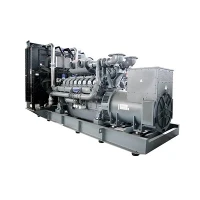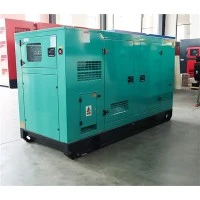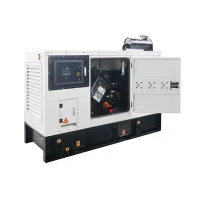

Diesel generators are widely used as standby and independent power sources in industrial facilities, construction projects, commercial buildings, and emergency power applications. To ensure reliable operation and extend equipment service life, proper practices should be followed during installation, startup, operation, and maintenance. Correct handling can improve generator performance while reducing the risk of equipment failure and operational hazards.
The generator should be installed in a suitable location with adequate ventilation and sufficient space for inspection and maintenance. A diesel generator produces heat and exhaust gases during operation, so the installation area needs to provide effective heat dissipation and a properly designed exhaust system. Operating the equipment in a poorly ventilated or excessively hot environment can affect performance and may create unnecessary safety risks.
Fuel quality is another important factor in maintaining stable engine performance. Diesel fuel should meet the requirements specified for the engine, and the fuel system should be kept clean to reduce the risk of contamination, blockage, and abnormal operation. Fuel, engine oil, and coolant should also be checked regularly, with any signs of leakage, contamination, or deterioration addressed promptly.
Before starting the generator, operators should inspect important components and connections, including electrical cables, engine oil levels, coolant levels, and the fuel supply. Once the equipment is running, key operating conditions such as output voltage, frequency, engine temperature, vibration, and unusual sounds should be monitored. Any abnormal noise, excessive vibration, overheating, or unstable output should be investigated promptly to prevent a minor issue from developing into a more serious failure.
Load management is also essential. Electrical equipment should be connected according to the generator's rated capacity, and prolonged overload conditions should be avoided. At the same time, operating a generator continuously at an unnecessarily low load should also be avoided where applicable. Facilities that depend on backup power should establish an appropriate inspection and maintenance schedule and replace filters, lubricants, and other service components according to the manufacturer's recommendations.
Generator operation and maintenance should be carried out by trained personnel who understand the equipment and follow the manufacturer's operating and maintenance instructions. Keeping regular service records can also make it easier to identify changes in equipment performance and detect potential problems at an early stage.
Overall, proper installation, correct operation, suitable fuel and lubricant management, appropriate load control, and regular maintenance are essential for keeping diesel generators safe, reliable, and ready to provide power when needed.