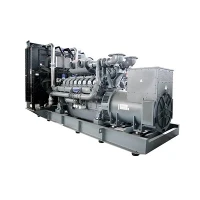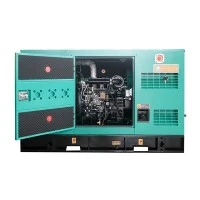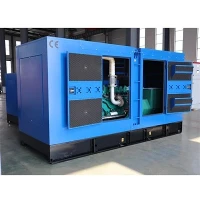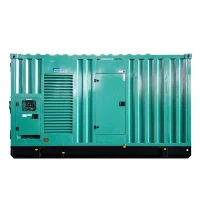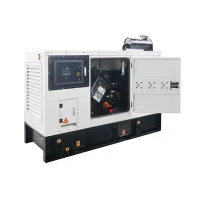

A trailer-mounted generator set combines a power generation system with a mobile chassis, providing electricity wherever temporary or independent power is required. Most units are powered by diesel engines, which drive an alternator to convert mechanical energy into electrical power. Unlike permanently installed generators, trailer-mounted systems can be transported and deployed at different locations, making them particularly useful for construction, outdoor operations, emergency response, and temporary power projects.
Mobile power generation is the primary function of a trailer-mounted generator. The integrated chassis, wheels, towing assembly, and support system allow the equipment to be relocated as project requirements change. When a construction area moves or additional power is needed at another location, the generator can be transported to the new work site and placed into service without installing an entirely new fixed power system.
Temporary independent power is another important application. Construction sites, road projects, bridge work, mining operations, and outdoor events may not always have convenient access to utility electricity. A trailer-mounted generator can provide power for lighting, construction machinery, pumps, communication equipment, tools, and other electrical loads. Selecting the appropriate generator capacity allows the system to support different levels of demand throughout a project.
Emergency power is also a major function. When utility service is interrupted because of severe weather, infrastructure failures, or other unexpected events, a mobile generator can be transported to the affected area and provide electricity for essential equipment. Applications may include emergency lighting, drainage pumps, communication systems, and other critical loads that need to remain operational during a power outage.
Trailer-mounted generators can also support a wide range of electrical loads. The generator capacity should be selected according to the characteristics of the equipment being powered, including both normal operating requirements and starting currents. Proper sizing helps maintain stable output and reduces unnecessary stress on the generator.
Modern systems often incorporate monitoring and protection functions as well. The control system can monitor parameters such as output voltage, frequency, engine temperature, and other operating conditions. Depending on the configuration, alarms and protective functions can alert operators to abnormal conditions and help reduce the risk of equipment damage.
The mobile design also allows the same generator to be used across multiple projects. Instead of installing a separate fixed power source at every temporary work site, a trailer-mounted generator can be relocated as needed, improving equipment utilization and reducing the time required to establish temporary power.
Overall, trailer-mounted generator sets provide a combination of mobile power generation, temporary electricity, emergency backup, load support, and operating monitoring. Their ability to move quickly between locations makes them a practical solution for projects and situations where reliable electricity is needed without the limitations of a permanent power installation.