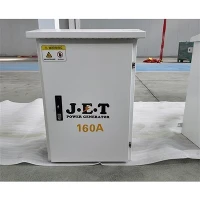

As demand for independent power continues to grow in homes, agricultural operations, outdoor work, and small construction projects, compact diesel generator sets have become a practical power solution for many applications. With different capacities, configurations, and features available, selecting the right generator requires more than simply comparing purchase prices. The expected electrical load, operating environment, runtime, and maintenance requirements should all be considered.
Generator capacity is one of the most important factors. Users should first determine the total power requirements of the equipment that will be connected to the generator. Starting demand must also be taken into account, particularly for motors, pumps, compressors, and other equipment that can draw substantially more current when starting. Choosing a generator with an appropriate capacity margin can help prevent prolonged overload operation and improve overall reliability.
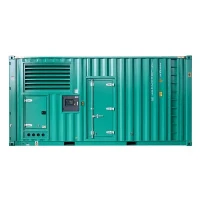
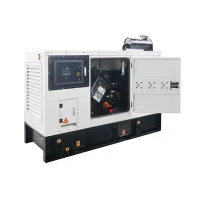
The intended application also influences the choice of generator. For a stationary backup application, users may place greater emphasis on long-term reliability and continuous operating performance. For outdoor construction, agricultural work, or temporary projects, portability and resistance to changing environmental conditions may be more important. When the generator is used near residential areas or other noise-sensitive locations, a low-noise or enclosed configuration may be preferable.
Expected operating time is another important consideration. A generator used occasionally for short emergency periods has different requirements from one expected to operate for extended periods. For longer operating schedules, users should pay particular attention to engine durability, fuel consumption, cooling performance, and recommended maintenance intervals.
The quality and configuration of the generator should also be evaluated. The engine, alternator, and control system are the core components of the equipment, so products with proven engineering and consistent manufacturing quality are generally preferable. Basic protection features, such as overload protection, low-oil-pressure alarms, and high-temperature protection, can also improve operational safety.
After-sales support should not be overlooked. Diesel generators require routine servicing, including engine oil changes, filter replacement, cooling system inspections, and battery maintenance. Reliable technical support, access to replacement parts, and responsive service can make a significant difference to long-term operating costs and equipment availability.
Overall, choosing a small diesel generator set requires a balanced assessment of power capacity, application, operating duration, noise requirements, equipment quality, safety features, and after-sales support. By matching the generator to the actual requirements of the application, users can achieve a more reliable, economical, and efficient power supply.