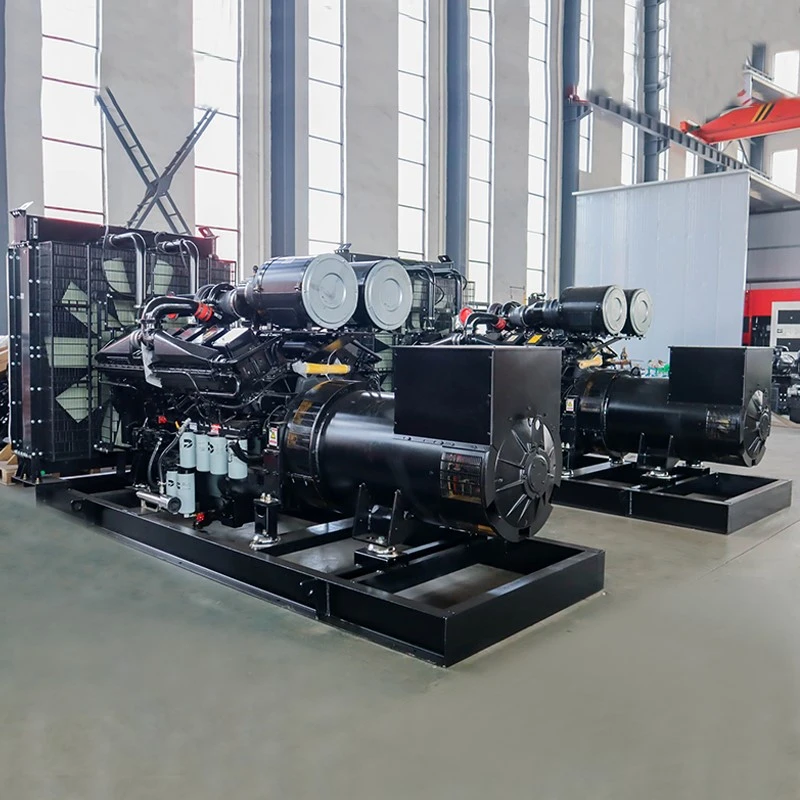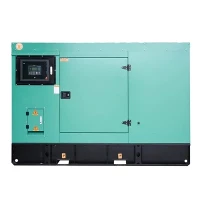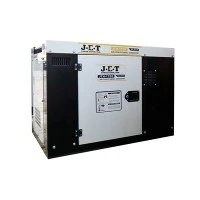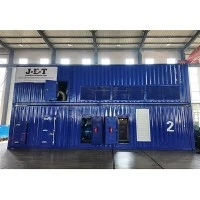

As ships become increasingly automated and electrified, marine generators have become a critical part of onboard power systems. Their technical specifications directly affect power availability, operating efficiency, and system reliability. Because vessels have different electrical requirements, generator selection must take into account the ship's actual load profile, electrical architecture, operating conditions, and available installation space.
Rated power is one of the most important specifications of a marine generator. It indicates the electrical output the generator can continuously deliver under specified operating conditions. The required capacity should be determined based on the combined demand of lighting, navigation systems, communications equipment, pumps, air-conditioning systems, and other auxiliary loads. Starting requirements for motors and other high-inrush equipment should also be considered when determining the appropriate generator capacity.
Rated voltage and frequency determine whether the generator is compatible with the vessel's electrical network. Marine electrical systems can be designed around different voltage and frequency standards depending on vessel type and system configuration. The generator must maintain stable voltage and frequency during operation to ensure that onboard equipment receives suitable power.
Engine speed is another important specification. The diesel engine transfers mechanical power to the alternator through the crankshaft, and its operating speed must be compatible with the alternator design. Different speed configurations can affect fuel consumption, noise levels, operating characteristics, and maintenance requirements.
Fuel consumption is an important indicator of engine efficiency. Lower fuel consumption at a given electrical output can help reduce operating costs over the generator's service life. Actual fuel consumption, however, varies with factors such as load level, fuel quality, engine condition, and operating environment.
Cooling configuration is also an important consideration. Depending on the generator design and the vessel's cooling infrastructure, systems may use freshwater circulation, seawater heat exchange, or other thermal-management arrangements. Effective cooling is essential for keeping the engine within its recommended operating temperature range during extended operation.
Other specifications can also have a significant impact on marine applications. These include insulation class, enclosure protection, control architecture, alarm and shutdown functions, starting method, and monitoring capabilities. Marine generators may also require appropriate resistance to vibration, moisture, salt exposure, and corrosion because of the demanding onboard environment.
Overall, the key technical parameters of a marine generator cover electrical output, voltage, frequency, engine speed, fuel consumption, cooling configuration, and protection functions. Properly matching these specifications to the vessel's electrical system can improve power reliability, operational efficiency, and overall safety, providing a dependable electricity supply for critical shipboard systems.