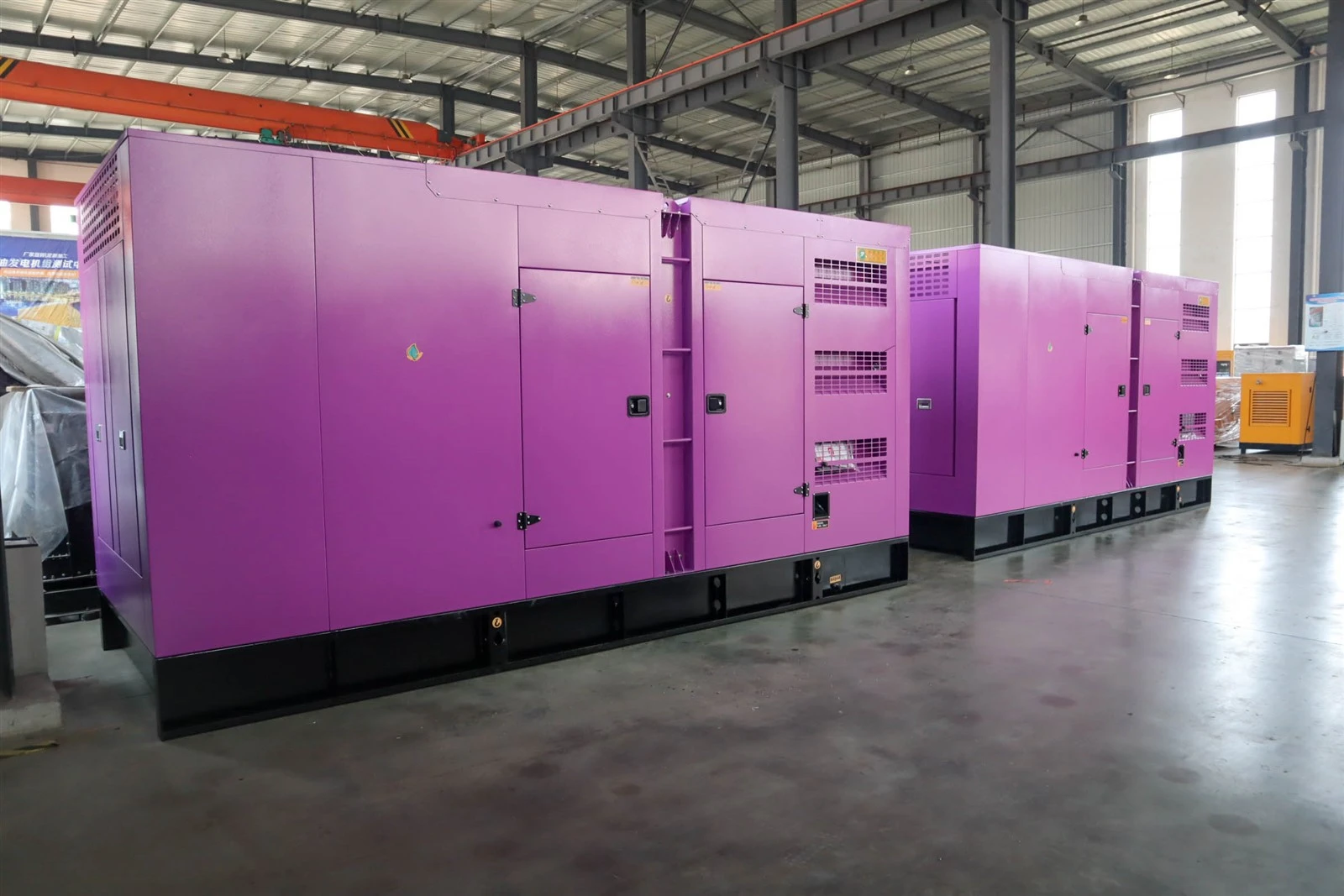

As ships become increasingly automated, marine generators play a critical role in maintaining a stable onboard power supply. These generators often operate in demanding conditions characterized by vibration, high humidity, salt-laden air, and extended operating periods. A structured maintenance program is therefore essential for reducing the risk of failures, extending equipment life, and supporting reliable vessel operations.
The lubrication system is a key area of routine maintenance. Engine oil level and condition should be checked in accordance with the manufacturer's requirements, while technicians should look for signs of contamination, excessive consumption, or leakage. Oil lines, fittings, and seals should also be inspected regularly. Engine oil and filters should be replaced at the recommended service intervals to maintain effective lubrication and protect internal engine components.
The cooling system must be kept in good working condition to ensure effective heat dissipation. Coolant levels should be checked regularly, and radiators, cooling lines, pumps, and connection points should be inspected for leaks or damage. For marine generators that use seawater heat exchange, seawater strainers and heat exchangers should also be inspected and cleaned as necessary to prevent debris from reducing cooling efficiency.
The fuel system directly affects engine reliability. Fuel tanks, supply lines, filters, and connections should be inspected for leakage, blockage, or other abnormalities. Fuel quality should also be monitored carefully, as water, sediment, and other contaminants can adversely affect fuel system components and engine performance.
The battery and starting system are essential for reliable generator startup. Battery charge condition, terminals, and connecting cables should be inspected regularly to ensure that the starting system remains ready for operation. This is particularly important for generators used primarily as standby power sources, as batteries can deteriorate when equipment remains inactive for extended periods.
Air intake and exhaust components also require regular inspection. Air filters should be cleaned or replaced according to the operating environment and service schedule. Exhaust piping and external engine components should be checked for contamination, loose connections, corrosion, or signs of leakage. Salt deposits and oil residue should be removed when necessary to maintain a clean operating environment.
The electrical system should also be inspected regularly. Technicians should check cable connections, grounding points, control panels, alarms, and protective devices to ensure that they remain functional and secure.
Accurate operating records are an important part of preventive maintenance. Parameters such as operating hours, oil pressure, temperature, output voltage, frequency, and alarm events should be documented. Tracking these indicators over time can help identify changes in equipment condition and allow potential problems to be addressed before they become serious failures.
Overall, routine maintenance of a marine generator involves coordinated inspection of the lubrication, cooling, fuel, starting, electrical, air intake, and exhaust systems. Regular servicing, timely fault correction, and accurate operating records can improve generator reliability and help ensure a stable power supply for navigation and other essential onboard systems.