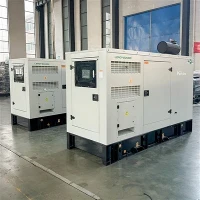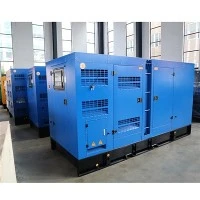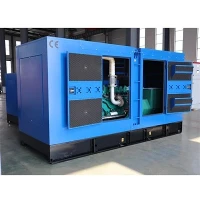

Ultra-large diesel generator sets are increasingly used in major industrial facilities, energy projects, data centers, and critical infrastructure where dependable power is essential. Because these high-capacity systems contain complex mechanical and electrical components and may operate under demanding loads, a well-structured maintenance program is essential for minimizing failures, extending equipment life, and maintaining reliable power availability.
The lubrication system is one of the key areas of routine maintenance. Engine oil levels and condition should be checked regularly according to the manufacturer's requirements. Technicians should also look for abnormal oil consumption, contamination, or leakage. Engine oil and oil filters should be replaced at the specified service intervals to maintain effective lubrication and protect internal engine components.
The cooling system also requires consistent attention. Coolant levels should be checked, while radiators, hoses, pumps, and connection points should be inspected for signs of leakage or damage. Dust, dirt, and other debris should be removed from radiator surfaces when necessary, as restricted airflow can reduce heat transfer and cause engine temperatures to rise.
The fuel system directly affects engine performance and reliability. Fuel tanks, supply lines, filters, and connections should be inspected regularly for leaks, blockages, or other abnormalities. Proper fuel storage and filtration are also important because contaminated or degraded fuel can negatively affect combustion and fuel system components.
The battery and starting system should not be overlooked. Battery terminals, cables, and charge condition should be checked to ensure that the generator can start reliably when required. This is particularly important for standby generators that may remain unused for extended periods, as batteries can gradually lose charge and performance during storage.
The air intake and exhaust systems should also remain clear. Air filters should be inspected and replaced according to operating conditions and recommended service intervals. Exhaust piping should be checked for loose connections, restrictions, or signs of leakage to ensure that combustion gases are safely discharged.
Electrical and control systems also require periodic inspection. Technicians should check electrical connections, grounding systems, control panels, alarms, and protective functions. Keeping accurate maintenance records is equally important. Tracking operating hours, fuel consumption, temperatures, pressures, voltage, and other key parameters can help identify gradual changes in equipment condition before they develop into major problems.
Overall, routine maintenance of an ultra-large diesel generator set involves coordinated care of the engine, lubrication system, cooling system, fuel system, battery, electrical equipment, air intake, and exhaust system. Regular inspections, scheduled servicing, and accurate maintenance records can significantly reduce the risk of unexpected failures and provide a solid foundation for safe and reliable long-term operation.