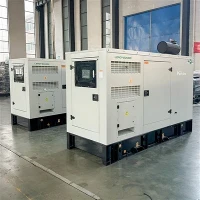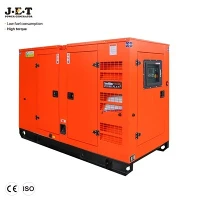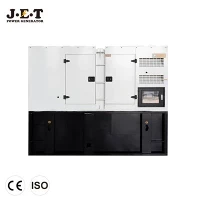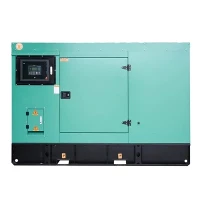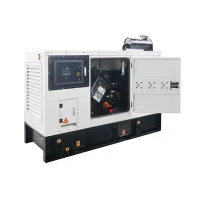

Diesel generators are widely used as backup and independent power sources in factories, construction sites, commercial buildings, data centers, and emergency power systems. When the utility grid is interrupted or the available power supply cannot meet operational requirements, a diesel generator uses a diesel engine to produce mechanical power and converts that power into electricity, providing a reliable source of energy for electrical equipment.
A typical diesel generator consists of a diesel engine, alternator, fuel system, cooling system, lubrication system, exhaust system, and control system. The diesel engine serves as the prime mover, while the alternator converts the mechanical energy produced by the engine into electrical energy. These two main components are connected through a coupling or other transmission mechanism and operate together as a complete power generation system.
The basic operating process can be described as fuel combustion producing mechanical power, followed by the conversion of that mechanical power into electricity. Diesel fuel is injected into the engine's combustion chamber, where it ignites in the high-temperature air created by compression. The resulting combustion gases expand rapidly and push the pistons downward. The pistons move back and forth, and this reciprocating motion is converted into rotational motion by the connecting rods and crankshaft. The rotating crankshaft then drives the rotor of the alternator.
As the rotor spins within the alternator's magnetic field, electromagnetic induction generates electrical energy in the stator windings. The generated electricity is then regulated and delivered through the generator's electrical output system to connected loads. This allows the generator to supply power to lighting systems, industrial machinery, communication equipment, and other electrical devices.
Several auxiliary systems are also essential to reliable generator operation. The cooling system helps maintain the engine at an appropriate operating temperature, while the lubrication system reduces friction and wear between internal components. The fuel system provides a continuous supply of diesel, and the control system monitors operating conditions and manages functions such as starting, shutdown, voltage, and frequency regulation.
In essence, a diesel generator performs a two-stage energy conversion process: the chemical energy stored in diesel fuel is first converted into mechanical energy by the engine, and the mechanical energy is then converted into electrical energy by the alternator. Understanding this operating principle can help users select, install, and maintain diesel generator systems properly while improving their reliability, efficiency, and overall service life.