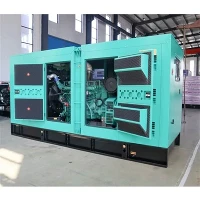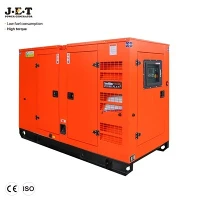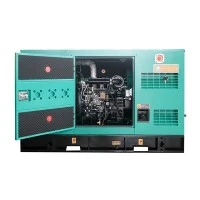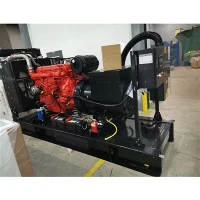

As demand for mobile power continues to grow across construction, outdoor operations, and emergency response, the technology used in trailer-mounted generator sets is evolving accordingly. These systems combine a diesel-powered generating unit with a mobile chassis, which means they must deliver dependable electrical output while also meeting requirements for transportation, deployment, safety, and operation in challenging environments.
The engine and alternator form the core of the power generation system. The diesel engine provides mechanical power, while the alternator converts that power into electricity through electromagnetic induction. Proper matching between the engine and alternator is essential for maintaining stable voltage and frequency as the electrical load changes.
Advanced control technology has also become an important part of modern trailer-mounted generators. Electronic controllers can monitor operating parameters such as engine speed, oil pressure, coolant temperature, output voltage, and frequency in real time. If an abnormal condition is detected, the control system can issue an alarm and, depending on the equipment configuration, initiate protective actions such as an automatic shutdown.
Load management technology plays an important role in maintaining stable generator performance. Different types of electrical equipment have different power requirements during startup and normal operation. Motors, pumps, and compressors, for example, can draw significantly higher current when starting. Proper generator sizing and effective load management help reduce the impact of sudden load changes and support more stable operation.
The mobile chassis is another key area of technology. A well-designed frame, towing system, wheel assembly, and support structure can improve transportation and on-site deployment. Vibration isolation may also be incorporated to reduce the mechanical stress caused by road movement and help protect the engine, alternator, and other internal components during transportation.
Thermal management, vibration control, and noise reduction are also important considerations. Effective ventilation and exhaust systems help maintain appropriate operating temperatures and safely discharge combustion gases. Enclosures and acoustic materials can further improve environmental protection and reduce operating noise where required.
Safety technology is closely integrated with these systems. Electrical protection, engine monitoring, emergency shutdown functions, and fault alarms can help operators respond to abnormal conditions and reduce the risk of equipment damage.
Overall, trailer-mounted generator technology combines advances in power generation, electronic control, load management, mobile chassis design, thermal management, and safety protection. Continued development in these areas is expected to make mobile generator systems more reliable, easier to deploy, and better suited to temporary and emergency power applications.