
A diesel generator is a widely used power generation system that uses a diesel engine to drive an alternator. The engine converts the energy stored in diesel fuel into mechanical power, while the alternator converts that mechanical power into electricity. Because diesel generators can operate independently of the utility grid and provide reliable power in a variety of environments, they are widely used in industrial facilities, construction projects, commercial buildings, agricultural operations, and emergency power applications.
Diesel generators can be classified according to their operating purpose, installation design, and cooling method. Different configurations are designed to meet different power requirements and operating conditions.
Based on their intended use, diesel generator sets are commonly categorized as standby, prime, and mobile generators. Standby generators are primarily designed for emergency backup applications. They normally remain on standby and start when the utility power supply fails, providing electricity to selected critical loads. Prime-power generators are designed for applications where the generator serves as the main or primary source of electricity, particularly in locations where grid power is unavailable or unreliable. Mobile generators are designed for easy transportation and deployment, making them suitable for construction sites, outdoor operations, temporary projects, and emergency response work.
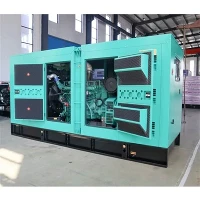
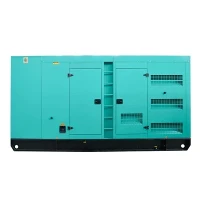
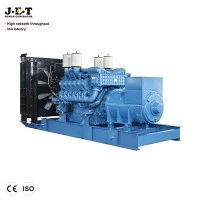
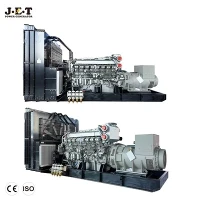
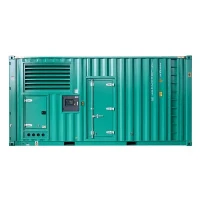
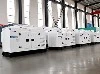
Diesel generators can also be distinguished by their enclosure and installation design. Open-frame generator sets have a relatively simple structure and provide convenient access for inspection and maintenance. They are commonly installed in dedicated generator rooms or other locations where noise is not a major concern. Enclosed or sound-attenuated generators are fitted with protective housings and noise-reduction features designed to reduce operating sound. These systems are often more suitable for commercial areas, urban environments, and other locations where noise levels need to be controlled.
Cooling systems provide another way to distinguish diesel generator configurations. Water-cooled engines are commonly used in higher-power generator sets and applications that require extended operation. Air-cooled designs have a simpler cooling structure and are often found in smaller generator sets and portable equipment.
Choosing the right type of diesel generator requires careful consideration of the intended application. Factors such as electrical load, operating duration, installation conditions, mobility requirements, and the availability of utility power should all be evaluated before selecting a generator set. A properly matched configuration can improve operating reliability, energy efficiency, and overall equipment performance while ensuring that the generator meets the specific power requirements of the application.